fbpx

NOW CLOSED | Voyaging in the Wake of the Whalers

Voyaging in the Wake of the Whalers

EXHIBITION HAS ENDED

“Voyaging in the Wake of the Whalers” is an exploration of America’s historic and contemporary relationship with whales and whaling. The exhibition opened after the 38th Voyage of the 1841 whaleship and National Historic Landmark Charles W. Morgan, the flagship and signature vessel of Mystic Seaport Museum, which sits at its berth within sight of the gallery entrance. 

Using collections artifacts and artwork alongside compelling audio-visual elements, immersive displays, and thought-provoking interpretation, “Voyaging in the Wake of the Whalers” pushes past the mechanics of whaling to show the richer and deeper stories of the peoples, places, ships, and whales that impacted and were impacted by whaling since the Morgan’s construction in 1841.

In the words of guest curator Anne Witty, “The stories in this exhibit braid together people, whales, history, and culture. Here are tales of work and wonder, wealth and poverty, nature and society. Objects of work, struggle, and leisure. Images of violence and beauty, of forgotten people and lifeways that are strange to us today.”

On display are more than 100 whaling-related artifacts, images, and documents, including logbooks, photographs, scrimshaw, ship models, and souvenirs, as well as moving images, oral histories, and sound recordings. Some of the artifacts and images have only recently been added to the collection and are on public display for the first time.

voyaging in the wake of the whalers exhibit at mystic seaport museum

Interactive Elements

The Museum partnered with Northern Light Productions to create original multimedia elements to help bridge the gap between the whalers’ world and our own. A short film presents a content-rich, visually stunning introduction to the exhibit topic and themes, using high-definition footage shot during the 38th Voyage along with archival whaling footage and brief shots of people, artifacts, and stories that are more fully explored in the exhibit.


child at voyaging in the wake of the whalers exhibit at mystic seaport museumTouch-activated “Dive Deeper” information stations, featuring videos, timelines, digital maps, and games, allow visitors to further explore the study of whales and the whaling industry. Visitors can also search a database for crew members that sailed aboard the whaleship Charles W. Morgan and learn more about the vessel’s recent restoration.

To convey the global stories of whales, whaling, and whale research, a large three-dimensional projection globe showing all the world’s oceans tells the universal, geographically-rich stories of the Morgan and presents compelling contemporary research. Video programs enable visitors to sail back to 1841 and follow the journey the Morgan took on her first whaling voyage, explore diversity aboard whaleships, and see how tracking whales has evolved over the past 200 years.

“Most people are familiar with whaling through the lens of popular culture or reading Herman Melville’s Moby-Dick,” said Mystic Seaport Museum President Steve White. “’Voyaging in the Wake of the Whalers’ pushes past the common perception and the mechanics of whaling to show the richer and deeper stories of the peoples, places, ships, and whales that impacted and were impacted by the industry.”

The 38th Voyagers

During the Charles W. Morgan‘s historic 38th Voyage in 2014, 85 individuals from a wide range of disciplines and backgrounds sailed aboard the ship and participated in an unprecedented public-history project. This select group, which included artists, historians, scientists, journalists, teachers, musicians, scholars, and whaling descendants, used their own perspectives and talents to document and filter their experience. Some of these creative products are on display in “Voyaging in the Wake of the Whalers.”

More Information

The Charles W. Morgan

The 38th Voyage

Exhibit Support

national endowment for the humanities logo
institute of museum and library services logo
ct humanities logo
capital group logo
national marine sanctuary foundation logo
community foundation of eastern connecticut logo

Lance R. Wachenheim

Edgard & Geraldine Feder Foundation

Anonymous

NOW CLOSED | Story Boats: The Tales They Tell

Story Boats: The Tales they Tell

EXHIBITION HAS ENDED
One of the Museum’s greatest assets is its small watercraft collection, which is arguably the largest of its type and the best in the country. Mystic Seaport Museum has more than 450 small watercraft as well as a fleet of larger historic vessels tethered to our docks along the Mystic River, four of which are designated National Historic Landmarks. As a whole, these vessels represent an extraordinary array of design, purpose, and materials beginning in the early 19th century to the present, from dugout canoes to duck boats to Boston Whalers and everything in between and beyond. What ties these boats together thematically, and is the inspiration for the exhibition Story Boats: The Tales They Tell, is the remarkable richness of human interest stories behind them, which include themes of hope, exploration, survival, joy, adventure, sport, immigration, and many others.

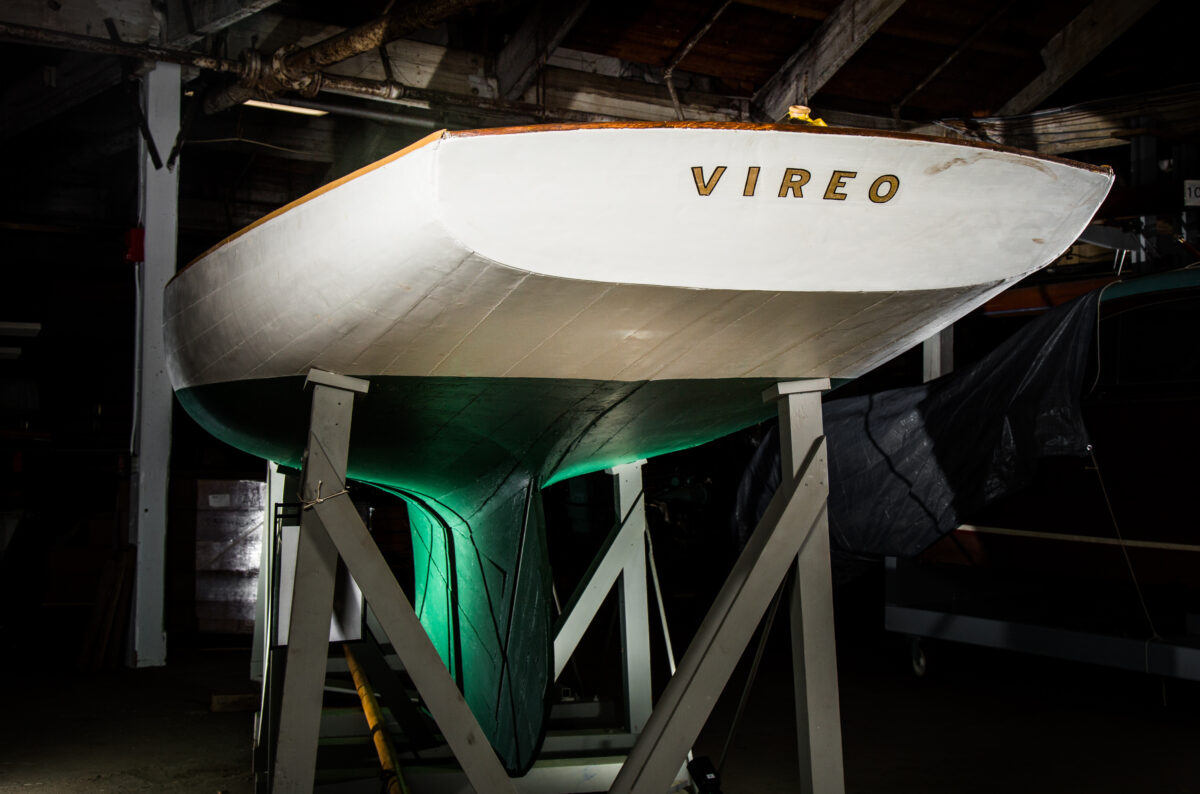
Our Clark Senior Curator for Watercraft, Quentin Snediker, consulted with a diverse pool of experts and regular people to distill a list of boats from the collection that have these outstanding stories to tell. The exhibition installation in the Collins Gallery will fully utilize the grand volume of the space to advantage, where some of the lighter vessels will “fly” suspended from the ceiling, while others will be mounted on the gallery floor. Each vessel will be exhibited with an iconic object that alludes to its story. For example, the team is working to borrow pieces from a collection of Franklin D. Roosevelt artifacts to show alongside his 1914 knockabout sloop Vireo. Shortly before a family trip aboard this elegant small yacht in 1921, it is believed that Roosevelt contracted polio. He was aboard this small vessel on the last day he walked without assistance.
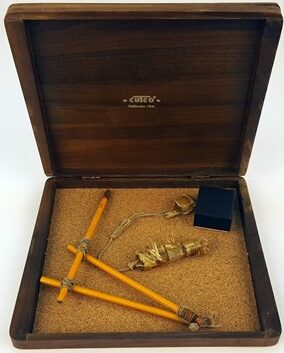
Mystic Seaport Museum recently received a collection of material from Steven Callahan, author of Adrift: Seventy-Six Days Lost at Sea, the true story of his survival of being lost at sea in a rubber raft after his solo sailing trip across the Atlantic met with disaster. His sketches and some of the survival tools he created from his scant supplies will be on display with a similar model of the raft from which he found rescue off Guadeloupe. Callahan’s recent oral histories recorded by Mystic Seaport Museum will also be available in the exhibition.

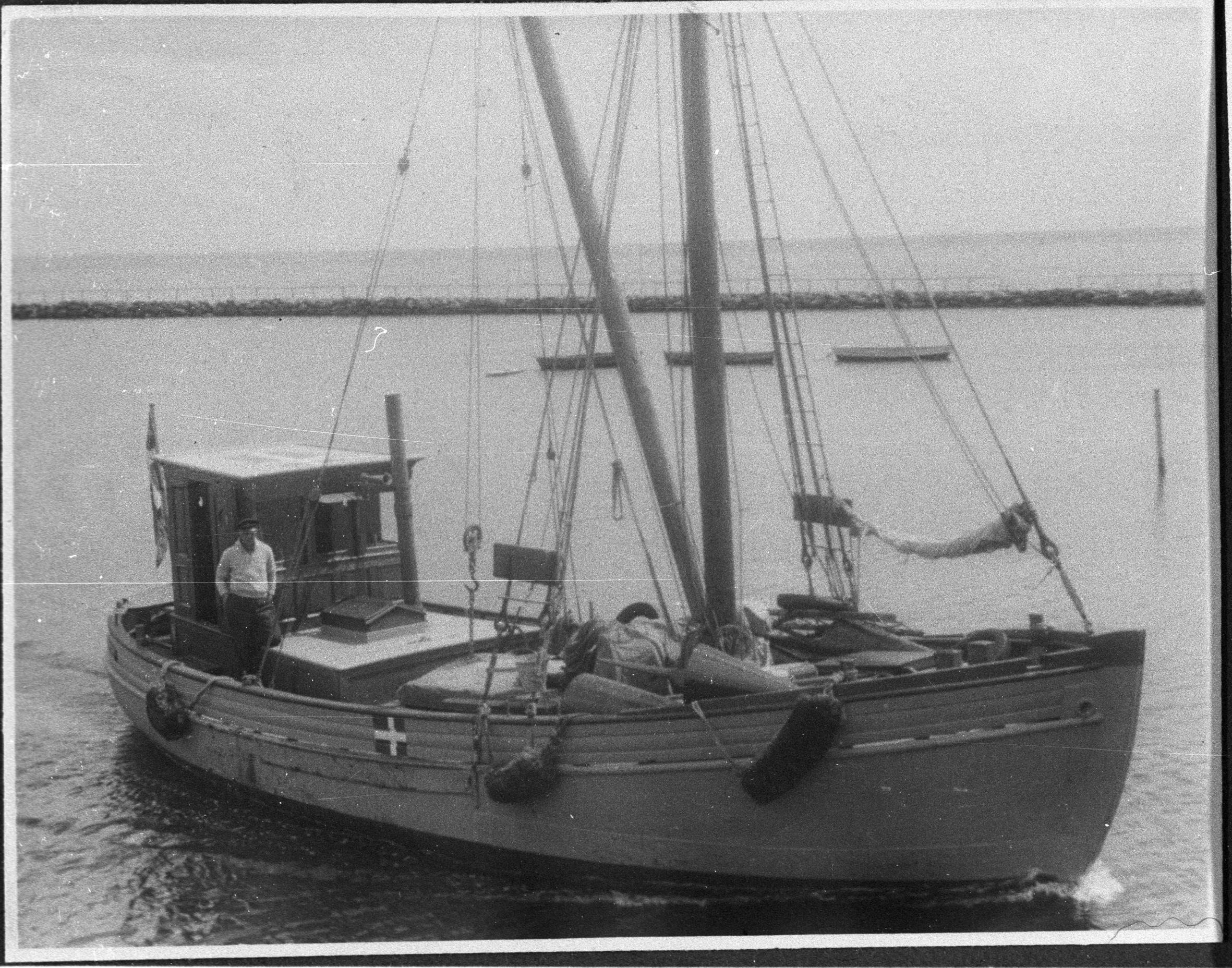
Another fascinating story involves the Analuisa (pictured above), a 20-foot fishing vessel built by Luciano Cuadras Fernández, which was launched from Mariel, Cuba, in 1994 with 19 people aboard bound to immigrate to Florida. Partway across, they were picked up by a passing cruise ship, whose crew was no doubt worried about the heavily overcrowded vessel. A very fortunate crew of four on a floundering vessel also out of Cuba, happened upon the abandoned Analuisa and brought her safely to Key West. The sturdy Analuisa was a success story for two immigrant groups in one voyage. These are just a few of the hundreds of amazing stories that are tied to our Gallery collection.
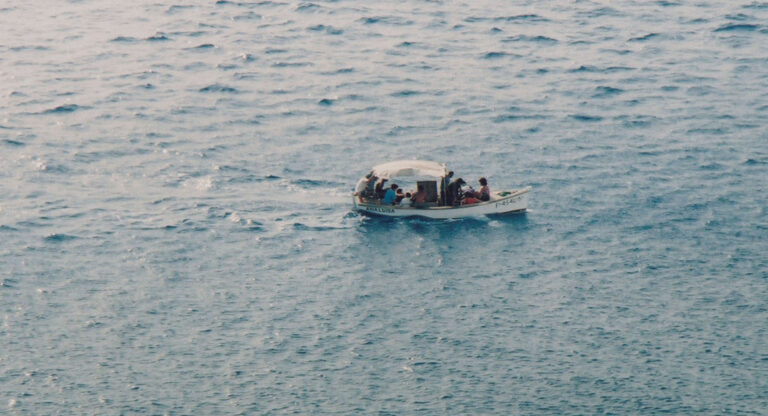
The Cuban fishing boat ANALUISA.

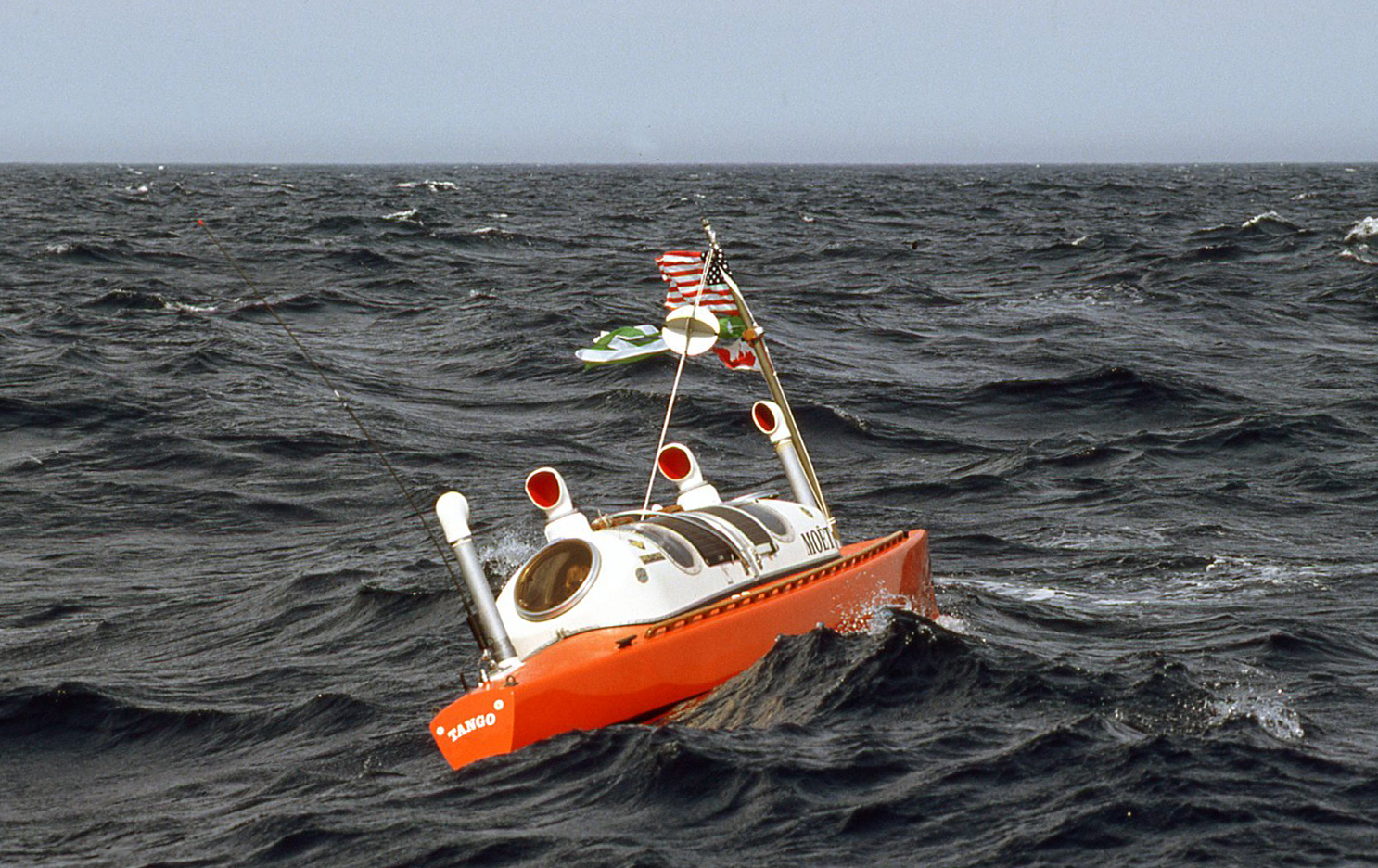
To complement the Collins Gallery exhibition, other watercraft will be mounted on the deck surrounding the Thompson Exhibition Building and the surrounding grounds, including Tango, a bright orange foot-pedal powered craft designed by the legendary Bruce Kirby. In 1992, Dwight Collins pedaled from Newfoundland to England in 41 days, the fastest human-powered crossing in known history. In addition to these displays, there will be special visitor maps to floating Story Boats vessels that carry their own powerful tales, including the Gerda III, which is on long-term loan from the Museum of Jewish Heritage in New York City. In 1943, a courageous 22-year-old woman named Henny Sinding organized a resistance team to carry more than 300 Jews from Nazi-occupied Denmark to safety in Sweden aboard the Gerda III.

At any time, visitors can roam the boat-filled docks and even step aboard some of our larger ships that live in or next to the Mystic River. We hope that Story Boats whets the appetite of the public to learn more about our extraordinary collection and helps them find their own connection to the sea.
NOW CLOSED | Sailor Made: Folk Art of the Sea

Sailor Made

Folk Art of the Sea

EXHIBITION HAS ENDED

When sailors went to sea in the 19th century, they faced difficult working conditions, cramped personal space onboard ship, and voyages that at times could stretch for months or even years. Sailor Made: Folk Art of the Sea, a new exhibition in Mystic Seaport Museum’s C.D. Mallory Building, explores the art that emerged out of this working world, reflecting sailors’ connections to shipboard life, their thoughts about culture on shore, and the souvenirs they created to remember and share the experiences of their travels.

The second of four new exhibitions funded by the Henry Luce Foundation, Sailor Made highlights more than 200 objects from the Museum’s collection, many of which have long been hidden from public view. Each artifact has its own story, and through the work of exhibition curator Mirelle Luecke, Ph.D., much new information has been uncovered about the objects in the show.

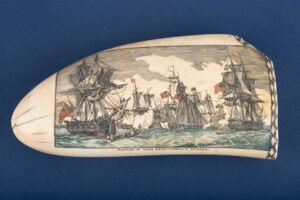
Scrimshaw“When stuck in the difficult, dangerous, and sometimes monotonous environment of the ship, sailors used art to express themselves. The designs they inscribed on scrimshaw, the types of household items they made, and the ways they used different materials were all intentions, and tell us something about the sailors themselves, their experiences, and the world they lived in,” said Luecke.

These stories show how creating art enabled sailors to differentiate their labor and leisure time in the otherwise all-consuming work environment of the ship.

To do this sailors turned to art, carving scrimshaw, drawing in journals, sewing intricate embroidery, and creating intricate knot-work, to name but a few of the media on display. Highlights include:

  • Personal items that spoke to sailor-makers professional life and skills, such as knives, needle cases, clothing, and elaborate macramé bags
  • Household items such as bowls and boxes fashioned out of exotic materials
  • A child’s hammock decorated with scenes from the circumnavigation voyage of the USS Columbia, made by one shipmate for another
  • Examples of tattoo flash (sample drawings from which sailors could choose their tattoo)
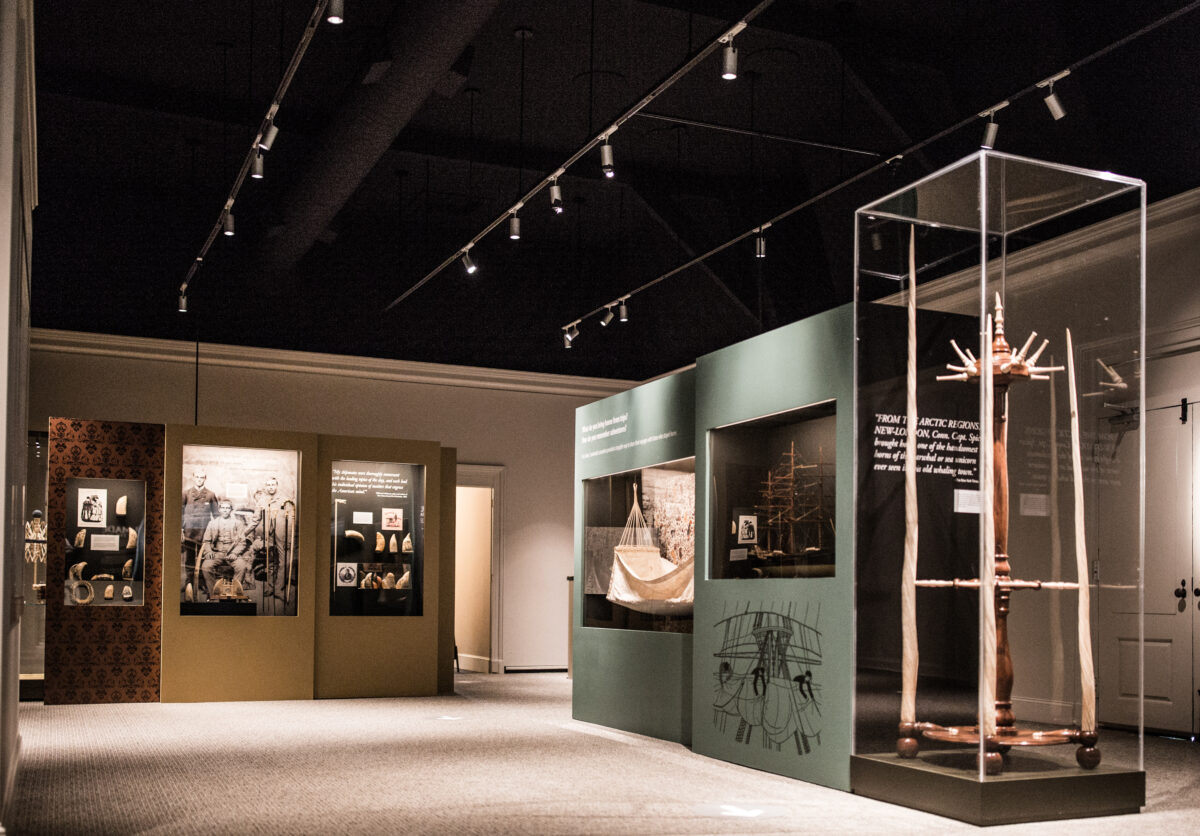
  • Numerous pieces of scrimshaw, including engraved teeth, jagging wheels, bodkins, and a knitting swift
  • A coatrack constructed of narwhal tusks
  • A cribbage board in the shape of the nuclear submarine USS Hartford

As self-taught artists, sailors engaged with the working world of the ship, imagined their ideal lives on shore, and created objects to commemorate their experiences at sea. This exhibition is a view into the world of the 19th-century sailor, with a few modern examples to show how those impulses and activities continue today in some naval and merchant mariners.

The exhibition is made possible by a grant from the Henry Luce Foundation to support the curation and development of four new collections installations and related programming at Mystic Seaport Museum. These projects will provide new perspectives on the art and ensure the continued preservation and refinement of the collections while also promoting public access.

Access to Sailor Made is included in the Museum’s general admission.

Search